A garage door that refuses to shut is greater than a small inconvenience. It risks your home's security, leakages conditioned air, and leaves anything kept in the garage exposed to weather and pests. I have actually satisfied a lot of property owners who tried to force the problem, pushed the door with a bumper, or held the wall switch down while the opener opposed. Those strategies mask the signs and symptom for a moment, yet they do not solve the cause. With a little approach and respect for the system's safety functions, you can typically determine the problem and determine whether it is a fast solution or a call to a professional.
Start with safety and security and typical sense
A garage door is a heavy relocating system under tension. Even a common 16 by 7 foot steel door can evaluate 130 to 200 extra pounds. The opener relocate, however the springs carry the majority of the lots. If something looks bent, a cord is torn, or a spring is broken, quit and bring in a professional. On the various other hand, if the door relocates freely yet cuts short of the floor, the cause is generally a sensing unit issue, an adjustment on the opener, or rubbing along the tracks.
If your opener is contemporary enough to have actually safety and security sensors mounted near the flooring, it is designed to reverse or decline to close if anything obstructs the course or the beams befall of alignment. Deal with those sensing units as the mind's eyes. When they go blind, the door will certainly not close.
Read the symptoms like a technology would
Describe to on your own exactly what is occurring. Does the door start down after that reverse near the floor, or will it not take a trip greater than a foot? Does it cut short of the flooring by the exact same 2 or three inches whenever? Does holding the wall surface button down make it shut completely? Do you listen to the opener pressure, stutter, or click? These information point to different culprits.
- If holding the wall button down makes the door close, the safety sensors are complaining. If the door stops in the very same space every single time, the down travel limit is likely set too short, or the climate seal is bunching. If the opener pushes, the door strikes the flooring, after that jumps up once more, the down force setting might be too reduced, or the floor runs out degree and needs a traveling tweak. If the lights on the opener head or the sensor braces blink, the opener is flagging a sensing unit or blockage error.
That fast triage will save time and protect against unnecessary tinkering.
Clean and line up the security sensors
The sensing units rest on either side of the opening, normally 4 to 6 inches above the floor, with a small LED on each. One side sends out an infrared light beam, the other gets it. Dirt, crawler webs, or a kicked soccer ball can knock them just crooked enough to damage the beam of light. I have seen sun glow from a low wintertime angle clean them out in late mid-day, and a fallen leave stuck on a sensor hood make a door refuse to budge.
Stand at the sensors and take a look at the lights. Most brand names reveal a steady light when the light beam is excellent and a blinking or off light when it is not. Wipe the lenses with a soft towel, after that push the brace till the receiver's light goes solid. Check that the sensor cords are undamaged. Staples that were driven as well limited in some cases nick the insulation. If you see wire deterioration near the flooring, especially after a damp season in Lake Terminal or Hobart, the copper might be environment-friendly and breakable. Entwine with gel-filled connectors or replace the run.
Sunlight disturbance is real. If your door encounters west in Valparaiso or Schererville, the low sun can strike the sensing unit right when you obtain home. A straightforward plastic hood or a brief item of 1 inch PVC pipe cut as a color can block the glare. It costs a couple of bucks and spares a great deal of headaches.
Check the course and the floor
Obstructions are not always evident. The opener will certainly turn around if it comes across uncommon resistance also if the path looks clear. Try to find a stray rake take care of leaning in just adequate to graze a roller, a bucket near the track, or a bike tire within the aircraft of travel. A puffy climate strip can additionally raise the lower panel before it seats.
Floors are hardly ever excellent. I have gauged garage slabs in Crown Factor and Munster with a half inch slope to the driveway. The door requires to take a trip a little farther on the reduced side to seal. When the down travel is set also conservatively, you are entrusted to a slim daylight gap. On a cool evening, that void pulls in air like a flute and you will certainly feel it at the mudroom door. If the flooring dips, a simple U-shaped bottom rubber with a thicker light bulb can bridge a quarter to three eighths of an inch. If the dip is bigger, a flooring limit glued to the slab adds elevation where you need it without cranking the opener's pressure also high.
Inspect the tracks and rollers for drag
A smooth door does not ask much of the opener. When rollers seize or tracks twist, the opener senses resistance and withdraws. Run your fingers along the within edge of each vertical track and the 90 level bend into the horizontal. Really feel for dents from a bumper tap or a garbage can accident. A tiny internal damage can squeeze the roller at the very same place on every cycle, which looks like a consistent cut short of the floor.
Steel rollers with no sphere bearings are loud and unforgiving. I still see them on older Residential Garage Doors in Hammond and Whiting. Upgrading to nylon rollers with sealed bearings is among the easiest means to reduce rubbing and noise. If you stick to your present rollers, a light silicone spray on the bearings and stems, and a wipe on the inside of the tracks, can bring back smooth traveling. Avoid packaging oil in the tracks. It collects dust and develops into sticky paste by winter.
Loose track screws trigger one more refined fault. If the vertical tracks are leaning in near the bottom, the door may bind on the way down after that launch. Establish a degree on the track face and make certain it is plumb, with a slight toe-in toward the jamb if defined by the producer. Snug the lag screws, but do not muscular tissue them right into rotten timber. If your jamb is soft from years of splashback, call a pro. No opener setup can overcome a wobbly mount.
Adjust travel and force the appropriate way
Modern Residential Garage Door Openers include two standard adjustments, down traveling and down pressure. Traveling tells the opener how far to relocate the door. Pressure tells it how much resistance is enabled prior to it decides to reverse.
Before you touch the force setup, established the down travel appropriately. Most openers have small dials or buttons on the housing classified Backwards and forwards. Bring the door to the open position, after that run it down and cut short of the floor. Boost the down traveling in small increments up until the door relaxes securely on the floor without pressing the climate seal like a pancake. If the door strikes the floor, bounces up a couple of inches, and stops, raise the down force somewhat, then reconsider the travel.
If your opener is a LiftMaster, Chamberlain, Genie, or similar version integrated in the last 10 to 15 years, the change actions are spelled out near the buttons or in a panel. On some belt drives, a pencil line made use of the rail equipment trolley provides you an aesthetic reference. Work in quarter transforms or single button presses. Large swings create huge problems.
Do not max out the down force to require a bad door to close. That beats the security system. I as soon as arrived in Merrillville to a creased second panel because the opener tried too tough versus a misaligned track. A basic track modify would certainly have fixed it before the costly damage.
Test door equilibrium, after that pay attention to the springs
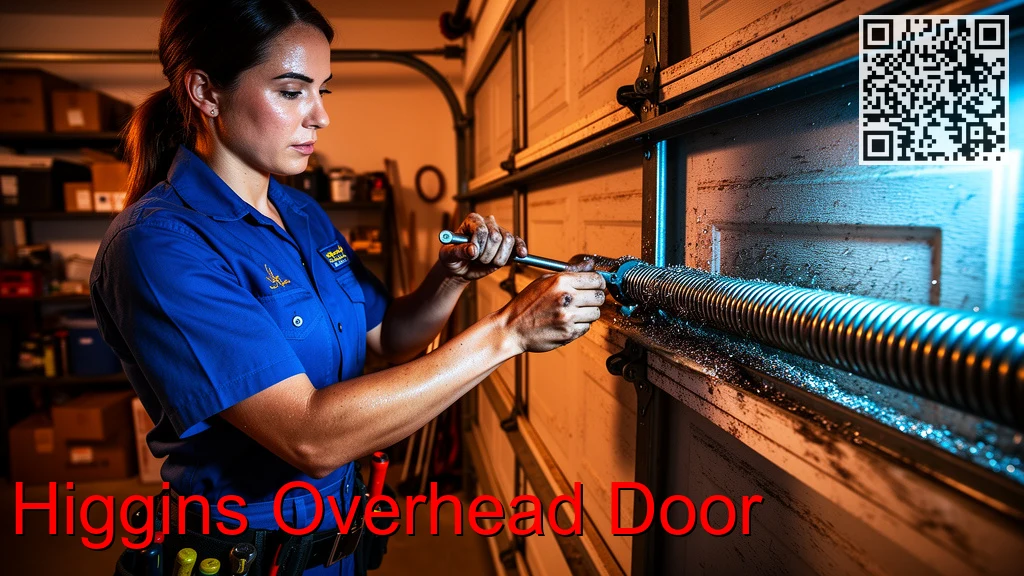
Opener changes only function if the door is balanced. Pull the red launch cable when the door is near shut so the cart disengages. Lift the door by hand to waistline elevation. Let go, carefully, with palms all set. A balanced door will hover or settle somewhat. If it slams down or rockets upward, your torsion or expansion springs run out equilibrium. That is a task for a trained tech with the ideal bars and care. Springs store considerable power. When they are right, the opener lives longer and you prevent nuisance reversals.
I have found a weak spring as the hidden cause extra times than I can count. The property owner vouched the opener was the problem. We established the opener to excellent traveling, yet the door maintained reversing near all-time low. With the opener disconnected, the door weighed a heap. A fresh spring brought the opening up force down to convenient numbers, and the exact same opener settings unexpectedly worked.
Mind the bottom seal and retainer
Rubber climate strips age quicker than people assume, especially if road salt sits near the garage lip in Portage or Chesterton. When the light bulb hardens and crinkles, the door can catch on uneven spots, stop short, or refuse to rebond after a cold snap. Replacing the bottom seal is a quick win that costs bit. A Lot Of Residential Garage Doors have either a T-style or a light bulb insert that slides into an aluminum retainer. If the retainer is bent or crushed at the edges, the rubber bunches up. Straighten out the retainer with pliers or replace the last few inches.
A thicker seal is not constantly much better. If you mount a heavy 2 inch light bulb on a door that was tuned for a one inch, the opener might pick up excessive compression and pop the door back. Suit the profile to your retainer and flooring demands. If unsure, install a garage limit on the floor to fulfill the door, rather than forcing the door down harder.
Keypad, remote, and lock setups that impersonate as failures
Every so frequently, the trouble is not mechanical whatsoever. Wall surface gaming consoles on some Residential Garage Door Openers have a getaway lock attribute. When involved, remotes and keypads will certainly not close the door. The wall surface switch may still function. If the youngsters were playing with switches, or if a bump pressed the lock, your remotes all of a sudden stop working. Search for a tiny LED and a lock icon. Toggle it off.
Keypads with passing away batteries act unusually, approving a code to open up yet break when you attempt to shut. Adjustment the battery, then reprogram if needed. Remotes can also suffer disturbance. I have seen LED shop lights flood the 315 or 390 MHz band and obstruct a signal. If the door closes with the wall switch, however your remote jobs just when you push it inches from the opener head, interference or a weak remote battery is likely.
Cold weather condition quirks in Northwest Indiana
Our winters months in Cedar Lake, St. John, and Valparaiso can transform a well-tuned system unstable. Metal contracts, the oil stiffens, and the lower seal freezes to the piece. If the opener attempts to shut and stops an inch reluctant, do not keep striking the button. Gently totally free the rubber with a plastic scrape or cozy water. A light silicone spray on the seal prior to a storm helps stop sticking. Lower temperatures likewise thicken lubes on belt and chain drives. A bit of reduced temperature level garage door lube on the rollers and hinges keeps points moving. Stay clear of electric motor oil. It leaks and attracts dust.
When ice types along the track's lower https://www.higginsoverheaddoor.com/commercial/operators-accessories/ inch, it tightens the space where the roller needs to travel. Clear that ice side and you remove a covert grab that makes the opener believe it hit an object.
When the opener itself is the culprit
Openers do fail, typically after 10 to 15 years of regular usage, sometimes sooner if the door has run out equilibrium for a while. Indications consist of grinding equipments, a cart that slides, or an opener that hums yet does not move the chain or belt. On chain drives, a loosened, sagging chain can leap teeth under lots and stop the door short. Tighten to producer specification, typically with a slight slack midspan. On belt drives, a stripped belt rib slides under tons and needs replacement.
If your device is older and has no image eyes, or it battles even after the door is balanced and the track holds true, upgrading to a contemporary, quiet, DC belt drive with a soft begin and stop makes sense. Many existing Residential Garage Door Openers include battery backup, motion-activated lights, and built-in Wi-Fi. That is not fluff. Battery backup closes the door during a failure, which matters during summer season storms in Hammond and Whiting. The soft quit secures panels and reduces bounce that can set off reopening.
The five-minute reset that typically works
Sometimes logic boards obtain perplexed after a power blip or a door jam. A controlled reset removes the cobwebs without getting rid of safety and security. Below is a quick, careful series that addresses a lot more problems than you would think.
- Unplug the opener for 30 seconds, after that connect it back in to reboot the reasoning board. Re-engage the door to the opener if you had pulled the launch cord. Run the door completely open with the wall surface button, after that totally closed. See the traveling. If it stops short, change the down travel slightly. Check the safety sensor lights. If either blinks, straighten till both are steady. Test remote and keypad after verifying the wall surface button shuts properly.
If the door still declines to close completely, you are past the very easy victories and it is time to look deeper.
Edge instances that keep techs honest
Not every garage rests square, and not every failing follows an easy rule. I have actually seen:
- A new epoxy flooring in Schererville that added 3 millimeters of height, just sufficient to make the lower panel satisfy the piece early one corner and activate a bounce back. A hollow steel bottom panel that oil-canned in summer season warm, making the sensor braces vibrate out of positioning midway through the close. A concrete aesthetic put years ago in Portage that crowned between. The door secured at the sides however dripped in the center. A limit repaired it without cranking the opener. An older opener in Chesterton with travel managed by restriction switches on a threaded pole. The brass nuts had worn, so the down limitation drifted gradually every week until the door quit inches high. Changing the limitation nuts recovered regular behavior.
Little details matter, and a seasoned eye recognizes patterns quickly.
When to call a professional
Any time you believe a spring concern, a frayed cord, a curved track, or architectural damages on the door, generate a Garage Door Service service technician. Those are not do it yourself zones. If you have made the secure checks, cleaned up the sensing units, validated the course, adjusted traveling decently, and the door still refuses to shut easily, you will conserve money by quiting there. A good tech can detect force curves, inspect spring torque, set limitations precisely, and capture a failing bearing plate before it splits loose.
Local issues also. Climate and structure habits around Lake Area and Doorperson Area create their very own patterns. For same day Garage Door Repair service Near Me, home owners in Cedar Lake, Crown Factor, Merrillville, and St. John commonly ask for help when a door stalls before the floor throughout lake-effect cold snaps. We see even more sensor failures after spring rainfalls in Hobart and Lake Station as a result of splashback deterioration, and more floor incline difficulties in Valparaiso communities improved rolling lots. A company that recognizes these quirks addresses the problem in one trip.
If you are searching Garage Door Companies Near Me for a persistent closing problem, search for companies that manage both Garage Door Repair Work and Garage Door Installment. They will equip Residential Garage Door Accessories like seals, rollers, joints, and sensor brackets on the vehicle, along with logic boards and carts for usual Residential Garage Door Openers. That prep work makes a distinction when your car is stuck outdoors and a tornado gets on the horizon.
Cost point of view and smart upgrades
Repair expenses vary by region and components, however a realistic variety aids with decisions. Realign or replace security sensing units, 75 to 200 bucks, relying on cord runs. Replace nylon rollers throughout, 120 to 250 dollars parts and labor, extra for high doors. Adjust tracks and set travel and force appropriately, commonly component of a service visit in the 90 to 180 buck array. Replace a bottom seal, 60 to 150 dollars depending on width and account. Spring work, which is not a do it yourself course, normally lands in between 180 and 350 dollars for standard torsion springs, even more for high cycle oil-tempered springtimes or specialized hardware.
If your opener is older and a repair work pushes past a 3rd of substitute expense, think about a new system. A silent DC belt drive with LED lighting and smartphone control changes day-to-day live greater than people anticipate. Set informs so you recognize if the door is exposed. Shut it from your phone when you keep in mind mid-errand. Getaway mode from the application is simpler than holding a small wall switch. For family members that reoccur at various hours in Crown Point or Munster, those small eases pile up.
An easy house owner checklist before you call
Use this short pass to prevent a lost journey charge and to help your tech show up prepared.
- Confirm both safety sensor lights are solid, tidy the lenses, and realign if needed. Clear the track area fully, confirm the door path is unhampered, and look for floor ice or a stuck seal. Release the trolley and examination door balance by hand. If it is hefty or jerky, quit and call. Set down travel in small increments so the door seals without bounce, after that adjust down pressure slightly just if needed. Check the wall surface control for a lock feature, change keypad or remote batteries, and reboot the opener by unplugging.
Share what you discover when you schedule solution. If you state the door moves smoothly by hand however turns around two inches from the flooring with the sensors consistent, an experienced technology will certainly fill the right parts prior to driving out.
Regional assistance you can count on
Homeowners across Northwest Indiana count on neighborhood crews for urgent fixes and long term dependability. Whether you need Garage Door Repair Cedar Lake after the lake wind rattles your sensors, Garage Door Repair Work Chesterton when a floor incline leaves a gap, or Garage Door Repair Work Crown Point for a door that rebounds on a cold evening, you do not need to cope with the issue. The very same goes for Garage Door Repair Work Hammond and Garage Door Fixing Whiting in commercial passages where air-borne dirt likes to coat sensor lenses, and Garage Door Repair Work Hobart or Garage Door Repair Work Lake Station when rainfall sprinkle or winter months brine wears away low hanging cables. In Merrillville, Munster, Portage, Schererville, St. John, and Valparaiso, dependable groups take care of everything from straightforward modifications to full replacements of Residential Garage Doors and openers.
If your search for Garage Door Repair Near Me brought you right here since your door will not shut all the way, you are close to a remedy. Start with the actions above. Many doors behave after ten mindful minutes. If not, do not combat the system. The same security functions that irritate you currently are there to stop damages and injury. A careful song, a changed sensor, a smoother roller, or a rectified traveling restriction returns your door to the peaceful, trusted close you want every day.
Final assumed from years in the field
The finest fixing is the one that makes the door simple and easy again. When the door is balanced, the track holds true, the sensors see clearly, and the opener understands its limitations, it simply works. The vehicle pulls in, you press the switch, and the door slides down, seals with a mild kiss to the flooring, and stays. That is the requirement we go for on every Garage Door Solution telephone call, from basic tweaks to full Garage Door Installment. If you want that degree of confidence, and you favor not to duke it out springs and settings, bring in a local pro that treats your door like part of the home, not simply a machine.
Higgins Overhead Door 1305 Erie Ct, Crown Point, IN 46307 +12196632231
 Ask ChatGPT
 Ask Grok
 Ask Perplexity
 Ask Claude
 Ask Google AI
 Ask You